Nullam dignissim, ante scelerisque the is euismod fermentum odio sem semper the is erat, a feugiat leo urna eget eros. Duis Aenean a imperdiet risus.
Loading
Nullam dignissim, ante scelerisque the is euismod fermentum odio sem semper the is erat, a feugiat leo urna eget eros. Duis Aenean a imperdiet risus.
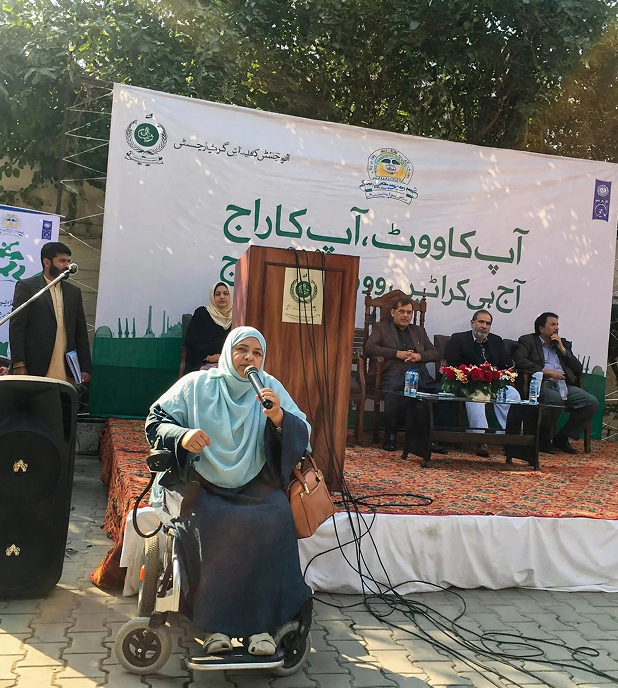
To advance our mission and achieve specific targets for disability-inclusive development, CBID Network PK Sindh has established a number of task forces focused on key areas of action. These Task Forces are an integral part of the Network’s ongoing program of work. They are not time-bound committees or temporary structures. Instead, they provide a continuing mechanism among members and partners to work together, share expertise, identify priorities, develop practical solutions, and contribute to policy and practice.
Each task force focuses on a specific area where collective action is needed. Through collaboration, advocacy, knowledge sharing, and coordinated initiatives, the Task Forces support the Network in turning its vision of an inclusive, rights-based, and barrier-free society into meaningful action. The Task Forces will evolve over time in response to emerging needs, priorities, and opportunities, while remaining connected to the overall mission and objectives of CBID Network PK Sindh.
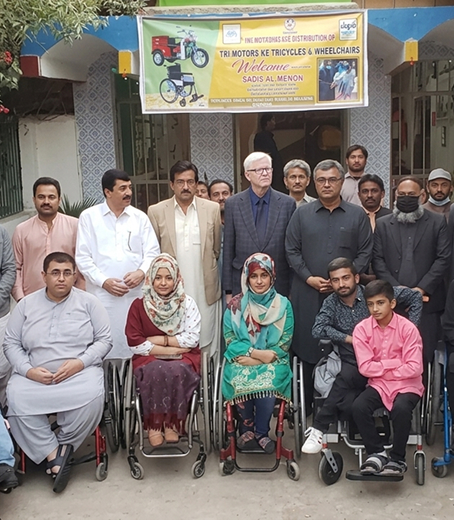
In Sindh, women and girls with disabilities face multiple layers of discrimination. They are overlooked because of their gender in a patriarchal society. They face discrimination because of disability. Harmful cultural norms, often expressed in the name of “Ghairat,” further restrict their choices and freedom. Misinterpretations of religion can also reinforce the perception that disability is a burden.
The result is devastating:
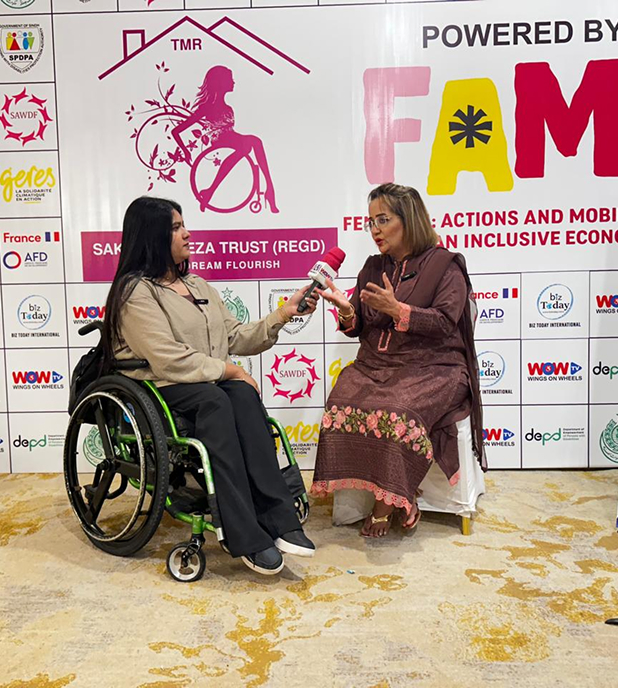
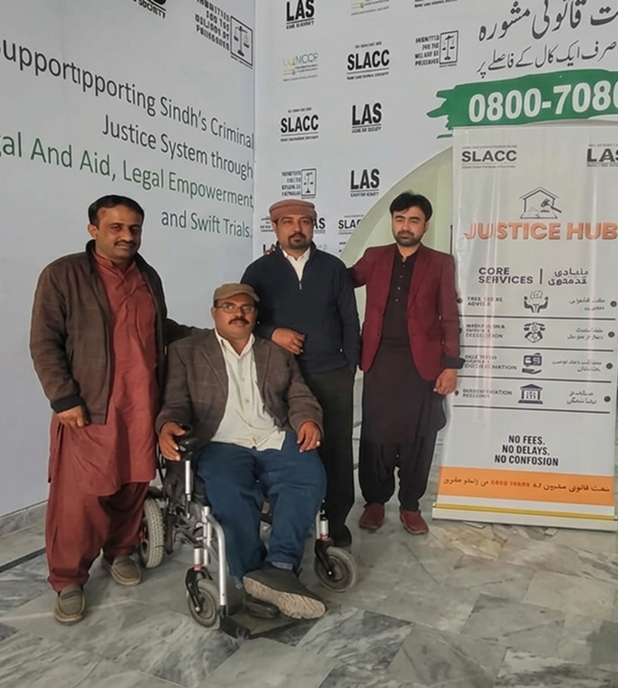
For persons with disabilities in Sindh, justice is often out of reach, not because the law does not protect them, but because the system itself remains inaccessible. Pakistan ranks 130th out of 142 countries in the World Justice Project Rule of Law Index. For persons with disabilities, this gap is even wider. Consider the reality:
Even when designated courts for persons with disabilities were notified in every district of Sindh in 2019, the justice sector continues to fail them. The law exists on paper, but implementation remains a distant dream.
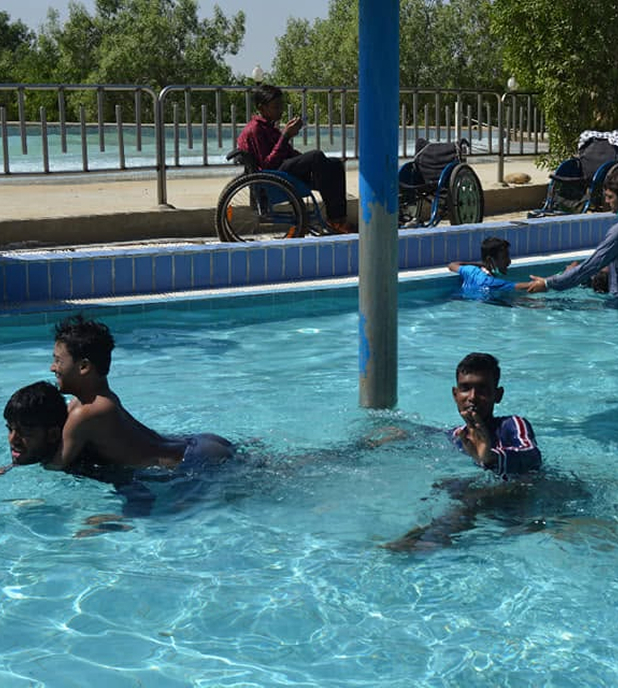
Sindh is a province of extraordinary beauty and history. From the ancient ruins of Mohenjo-Daro, representing one of the world's oldest civilizations, to the majestic Ranikot Fort, often called the “Great Wall of Sindh”; from the serene Keenjhar Lake to the breathtaking Gorakh Hill Station, our land is rich with cultural and natural treasures. Sindhi culture, traditional food, and the seaside attractions of Karachi and Manora also attract visitors from across Pakistan and beyond.
Yet, for millions of persons with disabilities in Sindh, these treasures remain out of reach. The reality is stark. In Karachi, Pakistan's largest city, many roads have inaccessible pedestrian pavements that create barriers for wheelchair users and persons who use white canes. Public buildings, transport systems, and tourist sites often lack support rails, ramps, or lifts to facilitate access for persons with disabilities. Public buses also lack adequate designated seating and accessibility features. Even when ramps exist, they are often poorly designed or serve only as a token gesture.
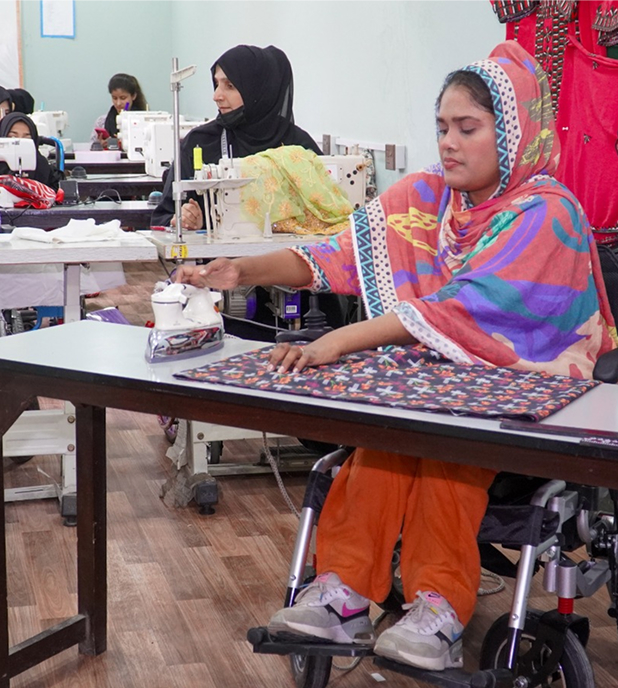
Economic independence is the foundation of dignity. Yet for persons with disabilities in Sindh, meaningful employment remains a distant dream. The scale of the challenge is staggering. According to the World Bank, approximately 71% of persons with disabilities in Pakistan are unemployed. The unemployment rate among persons with disabilities stands at 14.5%, more than double the national unemployment rate. This is not just a statistic. It is a crisis of wasted potential, lost dignity, and deepening poverty.
The economic cost is immense. Pakistan loses an estimated 4.9 to 6.3 percent of its GDP annually due to the marginalization of persons with disabilities. This represents a substantial loss in productivity and economic growth that the country simply cannot afford.
Sindh is on the front line of the climate crisis. Pakistan ranks among the world's most vulnerable countries to climate change, although it contributes less than 1% of global carbon emissions. For persons with disabilities, every flood, heatwave, and drought brings not just destruction but systematic exclusion.
The 2022 floods were a wake-up call. Unprecedented monsoon rains submerged one-third of Pakistan, affecting 24 districts in Sindh. The cost of losses and damages exceeded $20.44 billion. More than 2 million houses were damaged or destroyed. More than 23,900 schools and 1,460 health facilities were damaged. Approximately 7.9 million people were displaced.
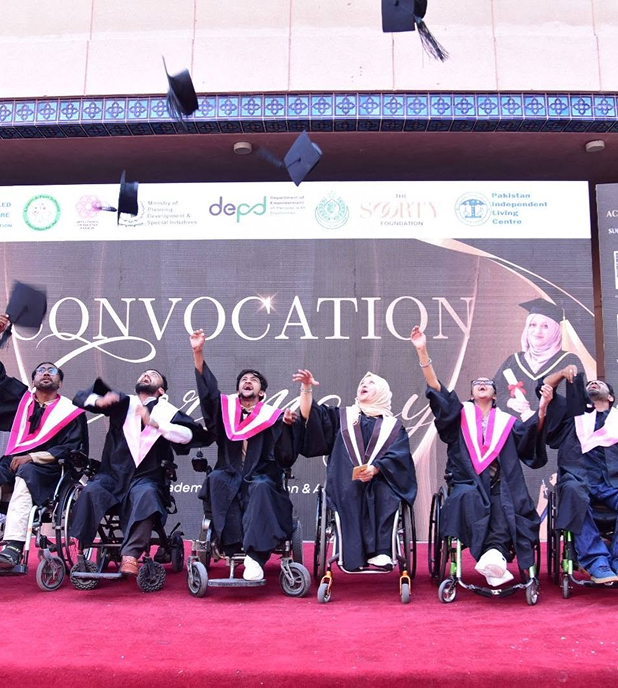
Education is the foundation of opportunity. Yet for children with disabilities in Sindh, that foundation is either crumbling or has never existed at all.
The numbers are staggering. According to UNICEF, an estimated 96% of children with disabilities in Pakistan are out of school. Sindh bears a large proportion of this burden due to poverty, gender disparities, and limited accessibility. Overall, Sindh has 7.4 million out-of-school children, and disability acts as a major compounding barrier to school attendance.
For millions of persons with disabilities in Sindh, independence remains a distant dream. Many are confined to their homes, dependent on family members, and excluded from the life of their communities. This is not because they cannot live independently. It is because the systems and support services that should enable independent living are often missing.
The Sindh Empowerment of Persons with Disabilities Act, 2018, was a landmark moment. It recognized the right of persons with disabilities to an adequate standard of living and social protection, explicitly stating that these rights should enable them to “live independently or within the community.”
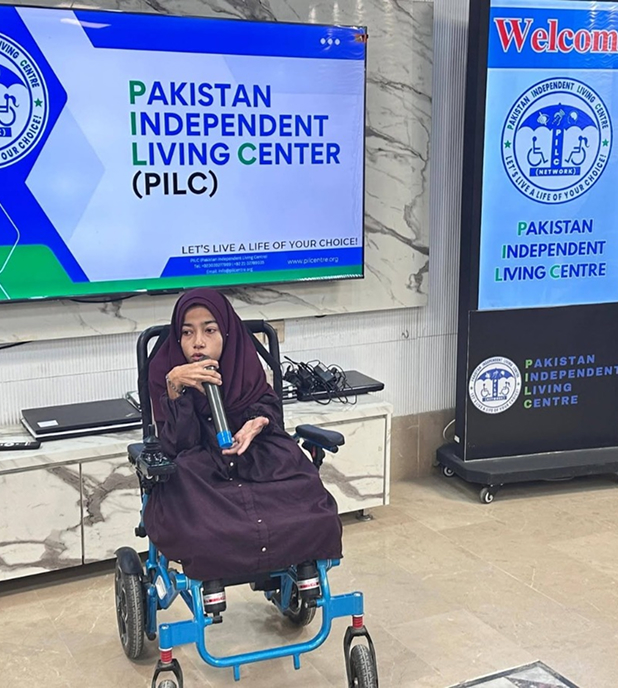
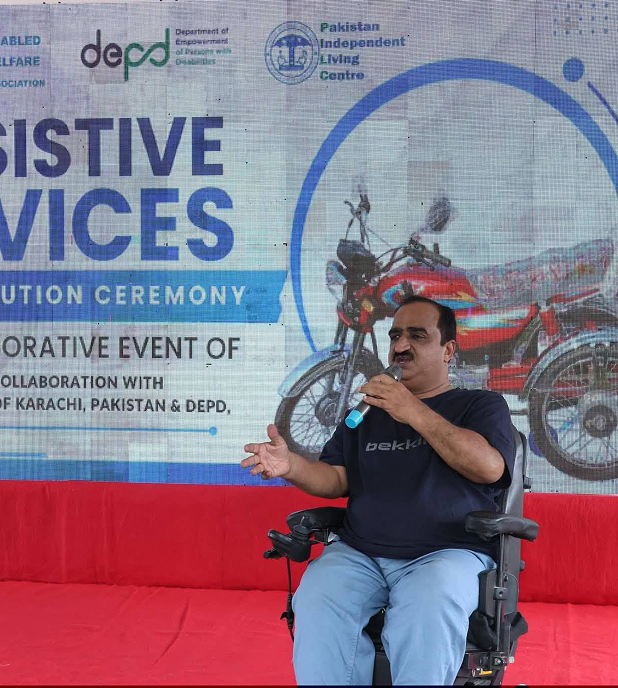
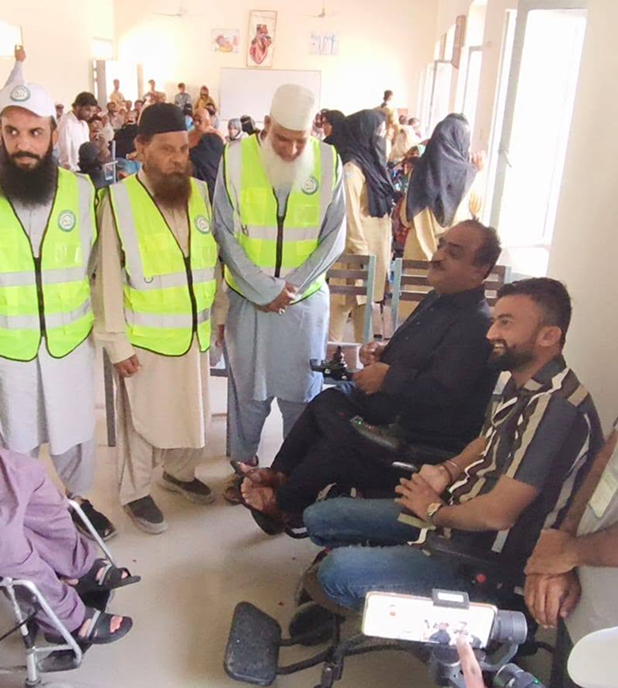
For millions of persons with disabilities in Sindh, independence can begin with a single device: a wheelchair, a hearing aid, or a white cane. Yet for many, that device remains out of reach.
The scale of the crisis is staggering. Sindh is home to more than six million children and adults with special needs, including people with physical, sensory, intellectual, and psychosocial disabilities. Across Pakistan, an estimated 25 to 40 million people live with some form of disability. Yet only about 1 to 2 percent of persons with disabilities in Pakistan have access to the latest assistive technologies. The remaining 98 percent must rely on conventional, and often inadequate, ways of managing their daily challenges.
Democracy means little if it excludes the voices of 15% of the population. Yet in Pakistan, persons with disabilities remain largely absent from political decision-making not because they lack the will or ability to participate, but because the system itself has erected barriers at every turn.
The constitutional and legal framework exists, but implementation lags.
Article 25 of the Constitution of Pakistan guarantees equality before the law and equal protection of the law. The Sindh Empowerment of Persons with Disabilities Act, 2018 recognizes the rights of persons with disabilities to accommodation, adequate standards of living, ownership of property, family life, freedom of expression, and the right to take part in politics.