Nullam dignissim, ante scelerisque the is euismod fermentum odio sem semper the is erat, a feugiat leo urna eget eros. Duis Aenean a imperdiet risus.
Loading
Nullam dignissim, ante scelerisque the is euismod fermentum odio sem semper the is erat, a feugiat leo urna eget eros. Duis Aenean a imperdiet risus.
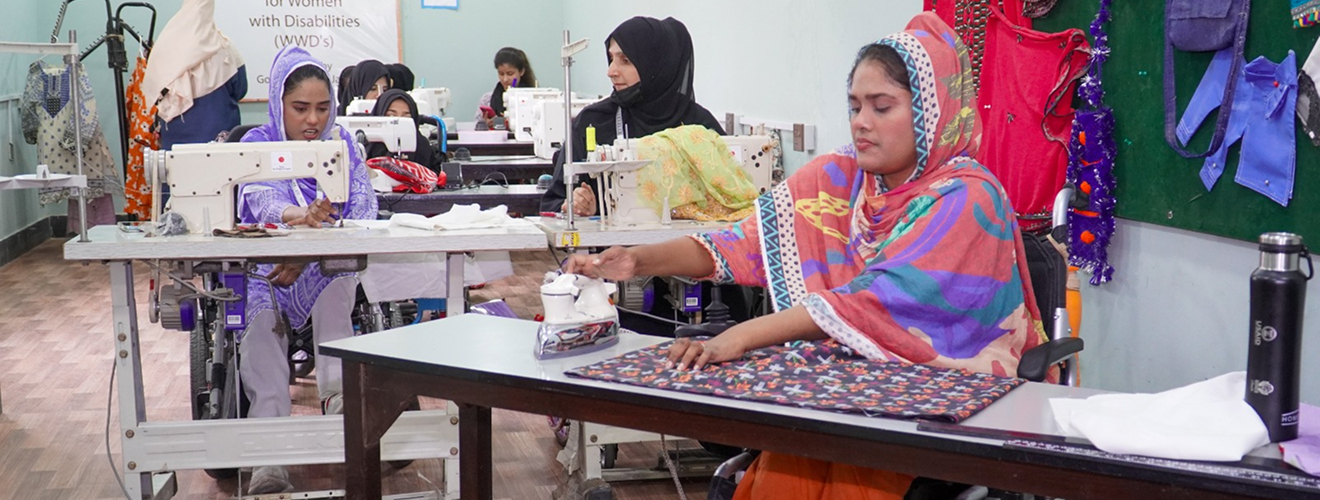
Economic independence is the foundation of dignity. Yet for persons with disabilities in Sindh, meaningful employment remains a distant dream.
The scale of the challenge is staggering. According to the World Bank, approximately 71% of persons with disabilities in Pakistan are unemployed. The unemployment rate among persons with disabilities stands at 14.5%, more than double the national unemployment rate. This is not just a statistic. It is a crisis of wasted potential, lost dignity, and deepening poverty.
The economic cost is immense. Pakistan loses an estimated 4.9 to 6.3 percent of its GDP annually due to the marginalization of persons with disabilities. This represents a substantial loss in productivity and economic growth that the country simply cannot afford.
The Sindh Empowerment of Persons with Disabilities Act, 2018, established a mandatory 5% job quota for persons with disabilities in all government departments. The Act also mandates a 5% quota for the private sector, with no employee threshold, meaning that even small companies are required to comply. Failure to meet this quota results in a monthly contribution equal to the minimum wage to a Disability Fund.
Yet compliance remains weak. The Sindh High Court has repeatedly had to intervene, directing authorities to complete appointments against the reserved quota and ordering private companies to submit data on their recruitment of persons with disabilities. Implementation of the quota in the private sector remains particularly limited.
The gap between policy and practice is wide. One study found that out of 137,000 government employees, only 1,151 (0.673%) were persons with disabilities, far below the mandated 5%. Women with disabilities face even greater barriers: only 12% of women with functional difficulties are employed, compared to 47% of men.
To ensure that every person with a disability in Sindh has the opportunity to earn a dignified livelihood through skills development, meaningful employment, entrepreneurship, and self-employment support.
We believe that employment for persons with disabilities is not an act of charity but a fundamental right. Our mission is to bridge the gap between the law and lived reality, transforming the 5% quota from a paper promise into a lived reality for thousands of persons with disabilities across Sindh.
We advocate for the effective implementation of the 5% job quota in both the government and private sectors in accordance with the law. We work with employers and relevant authorities to promote compliance, monitor implementation, and address barriers that prevent persons with disabilities from accessing employment opportunities.
We support persons with disabilities through Organizations of Persons with Disabilities and other relevant organizations to develop entrepreneurial and self-employment opportunities. This includes connecting individuals with skills development, financial resources, market opportunities, and other forms of support needed to establish and sustain their livelihoods.
We work with skills development institutions, universities, employers, and other partners to create pathways from skills development to meaningful employment. Our focus is not simply on training but on ensuring that skills lead to real economic opportunities.
We advocate for the full enforcement of the 5% job quota and take legal action when necessary. The Sindh High Court has directed authorities to complete appointments against the reserved quota. We support persons with disabilities in filing complaints when their rights are violated, including denial of employment, discrimination, and non-compliance with the quota.